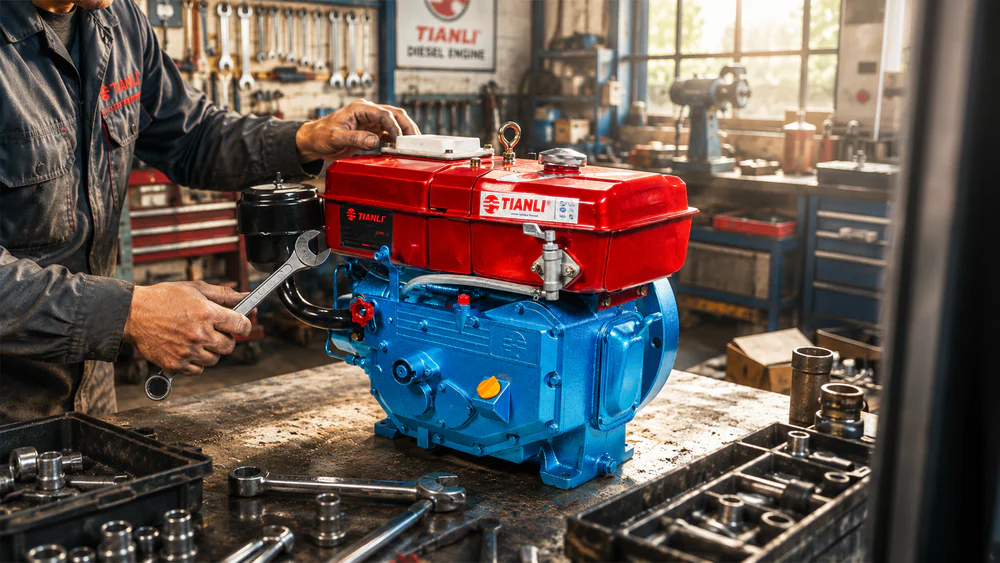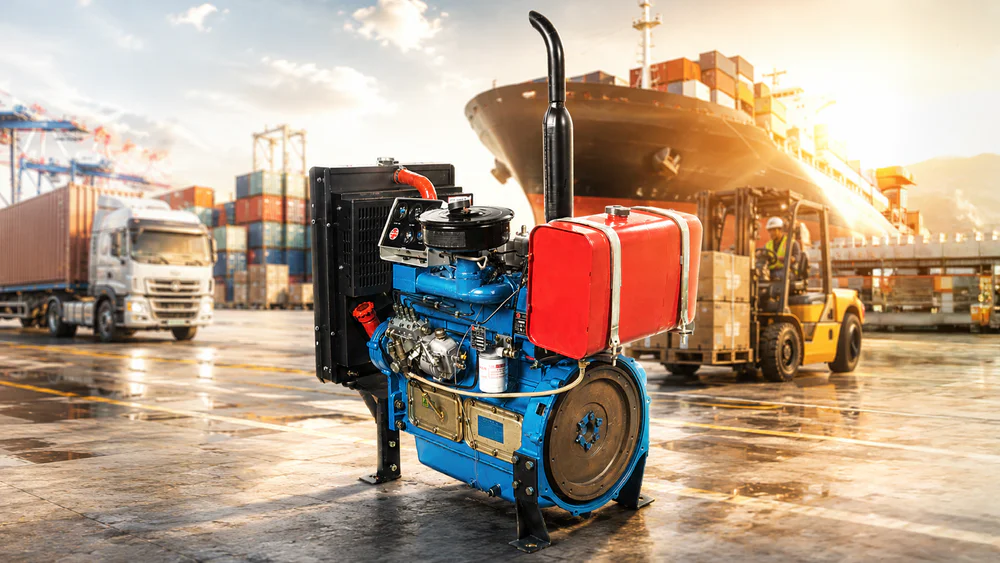
Diesel engines are known for their durability, power, and fuel efficiency. However, without proper maintenance, even the best engines can lose performance faster than they should, leading to unnecessary repair costs.
Maintaining a diesel engine is not complicated. With the right maintenance routine and a consistent inspection schedule, your engine can operate optimally for many years. This article provides a complete guide, from daily and weekly care to periodic checks you can apply.
Why Diesel Engine Maintenance Matters
Diesel engines operate with much higher combustion pressures than gasoline engines. Every component, pistons, nozzles, crankshaft, injectors, oil pump works hard under heat and high pressure each time the engine runs.
Routine maintenance not only keeps the engine running but also:
-
Keeps fuel consumption efficient
-
Prevents costly component failures
-
Extends the engine’s service life to its maximum potential
-
Preserves the validity of the official warranty
-
Reduces the risk of sudden engine shutdown during operation
10 Maintenance Tips to Make Your Diesel Engine Last
-
Warm Up the Engine Before Use
Let the engine idle for 5–10 minutes before applying load. This helps oil circulate evenly to all components and prevents the engine from being shocked by immediate heavy use. -
Change Engine Oil Regularly
Oil lubricates, cools, and protects engine components from friction. Change oil after the first 100 hours, then every 250 hours thereafter always use oil that meets the manufacturer’s specification. -
Clean and Replace the Air Filter Periodically
Dust is a diesel engine’s worst enemy; it acts like an abrasive between the cylinder and piston rings. Inspect and clean the air filter every 100–150 hours, and replace it if it’s damaged or too dirty. -
Keep the Fuel Filter Clean
The fuel filter removes dirt and water from fuel before it reaches the injectors. Use clean diesel and replace the fuel filter every 250 hours, or sooner if fuel quality is poor. -
Check Oil Level Daily
Before starting the engine, check the oil level with the dipstick. Ensure oil is between the MIN and MAX marks running low even slightly can increase friction and cause the engine to overheat. -
Pay Attention to the Cooling System (for Air-Cooled Engines)
Diesel engines rely on cooling fins to dissipate heat. Make sure fins are not clogged with dust, the fan rotates normally, and the engine is not operated in an enclosed space without sufficient airflow. -
Inspect and Clean Injectors Regularly
Dirty injectors cause incomplete combustion. Signs include hard starting, thick black exhaust smoke, or sudden fuel consumption increases. Inspect injectors every 500 operating hours. -
Check and Tighten Bolts and Nuts
Engine vibration can loosen bolts and nuts over time. Routinely check and tighten critical fasteners cylinder head bolts, engine mounts, and fuel line connections. -
Do Not Overload the Engine
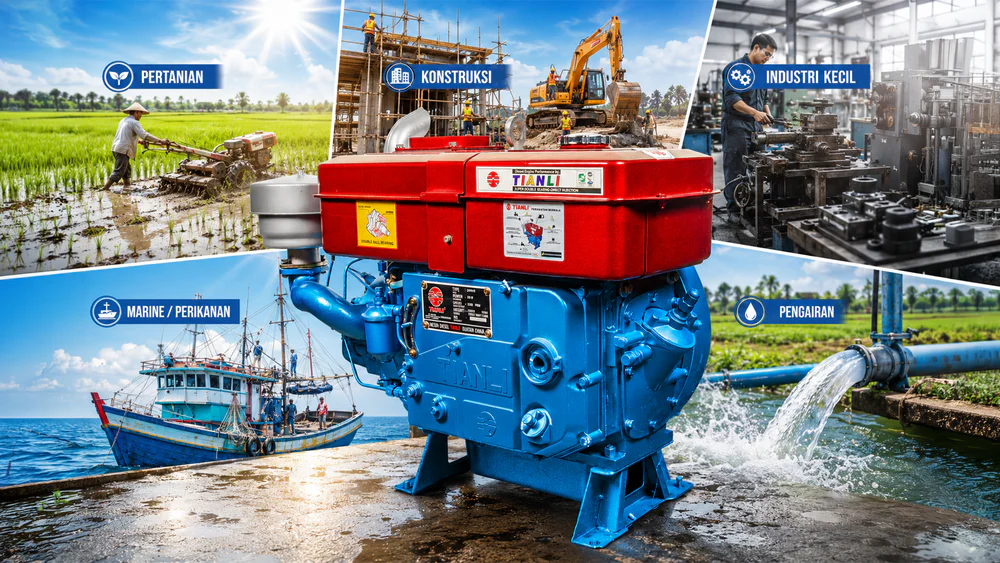
Excessive workload accelerates wear on pistons, piston rings, and bearings. For water pumps or generators, ensure the driven load does not exceed your engine’s rated output. -
Shut Down the Engine Properly
Before turning off the engine, let it idle 1–2 minutes so component temperatures decrease gradually. Suddenly shutting down under heavy load can trap heat and accelerate wear.
Signs Your Diesel Engine Needs Immediate Service
Do not delay service if your engine shows any of these signs:
-
Thick black exhaust smoke → dirty injectors or incomplete fuel combustion
-
Engine overheating → clogged cooling fins or low oil
-
Sudden increase in fuel consumption → injector or piston ring issues
-
Hard starting → weak battery, clogged fuel filter, or injector problems
-
Rough engine noise or knocking → low oil level or worn internal components
-
Significant loss of power → clogged air filter or compression problems
Daily diesel engine care does not require advanced mechanical skills consistency with the checklist and schedule above is enough. A small daily time investment pays off with optimal operation, better fuel efficiency, and much lower repair costs in the long run.
A well-maintained engine is a productive engine. Take care of your diesel engine, and it will support your business productivity. Need help with maintenance or service? Contact your nearest authorized dealer.