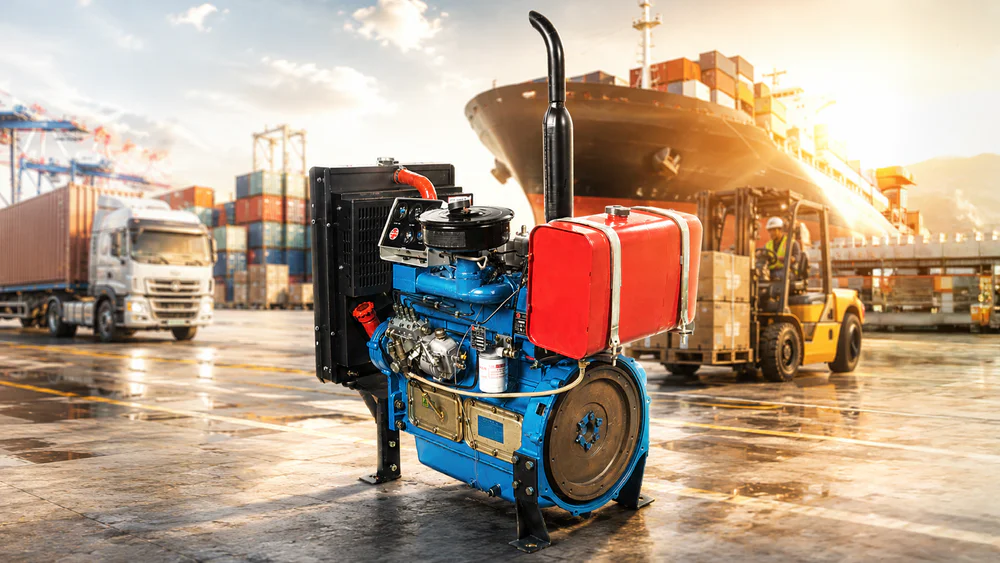
Every day, thousands of trucks and cargo vessels travel long distances across damaged roads, steep inclines, and unpredictable weather, all relying on one type of engine: the diesel engine. For logistics businesses, the question is no longer, “Do we need a diesel engine?” but rather, “What type of diesel engine is the most efficient and durable for my fleet?”
Diesel engines are a key element in Indonesia’s transportation and logistics sector. Their combination of high power, fuel efficiency, and durability makes them the top choice for commercial fleets, from delivery trucks to cargo vessels.
Indonesia’s logistics sector is growing by 6–8% per year, with 70% of goods distribution still dependent on land routes dominated by diesel-powered vehicles. Their durability in facing harsh road conditions, extreme weather, and long operating hours makes them a reliable mainstay of the national commercial fleet.
Advantages of Diesel Engines for Commercial Vehicles
-
Fuel efficiency: Diesel engines produce more power with less fuel than gasoline engines, bringing direct savings in large-scale fleet operating costs.
-
High durability and reliability: Diesel engine components are designed to withstand the high pressure and temperature common in transport operations. Diesel engines can work hard for long periods without significant performance loss.
-
High torque: Diesel engines generate high torque even at low engine speeds, making them ideal for heavy vehicles that need to move from a standstill with full loads or climb steep slopes under maximum load.
-
Environmentally friendly: With advances such as turbocharging, direct injection, and the implementation of B40 biodiesel since January 2025, modern diesel engines operate with much lower emissions, supporting sustainability initiatives in the transportation and logistics sector.
Cost Efficiency in Logistics Operations
Although the initial purchase price of diesel vehicles is higher, the long-term savings are much greater through three factors: fuel efficiency that lowers monthly fuel costs, longer service intervals that reduce downtime, and higher productivity because reliable engines generate more on-time deliveries.
Examples of Use in the Logistics Industry
-
Delivery trucks: The backbone of land distribution, covering hundreds of kilometers efficiently.
-
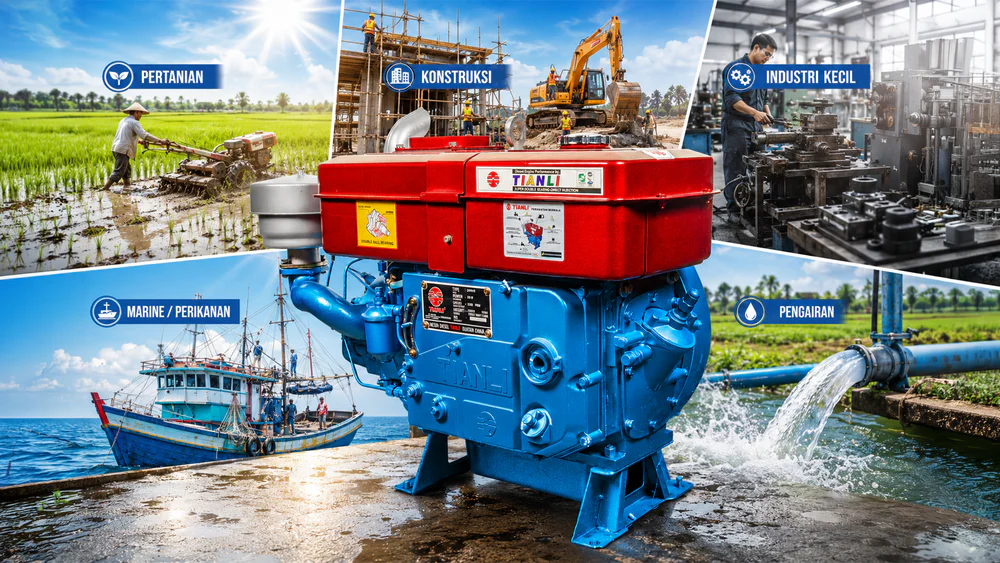
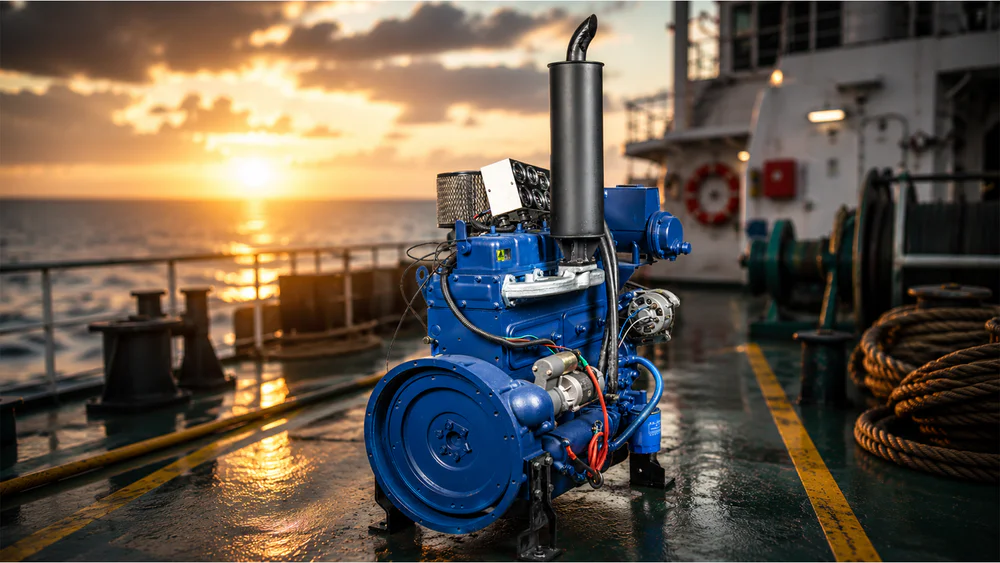
Cargo vessels and fishing boats: Diesel engines provide the thrust needed to transport heavy loads across sea and river waters.
-
Diesel forklifts: In warehouses and distribution centers, diesel engines’ high torque enables quick and efficient lifting of heavy loads.
-
Public buses and transport vehicles: Many public buses use diesel engines to carry passengers. With good fuel efficiency, bus operators can offer more affordable fares.
Tianli Diesel Solutions for Indonesian Logistics
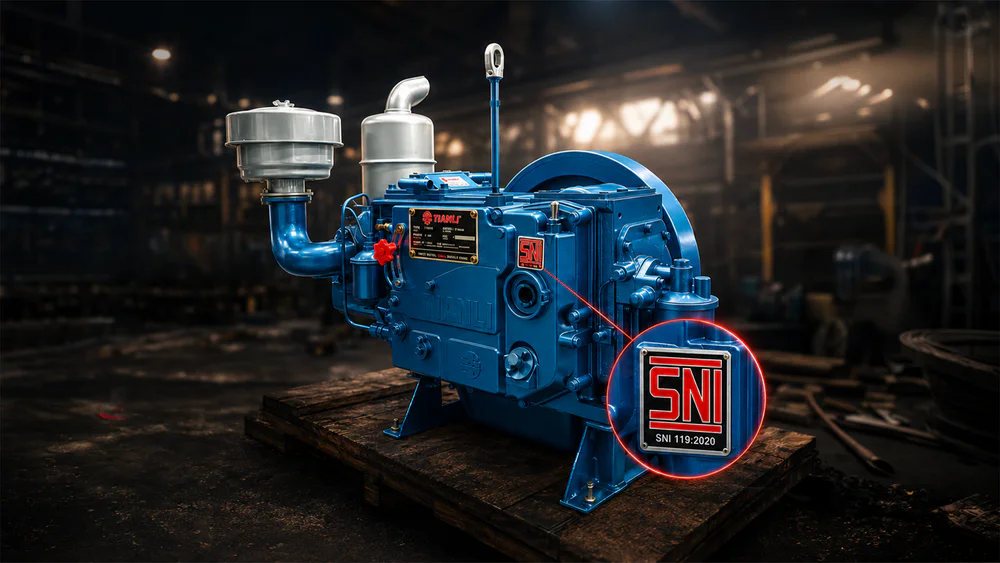
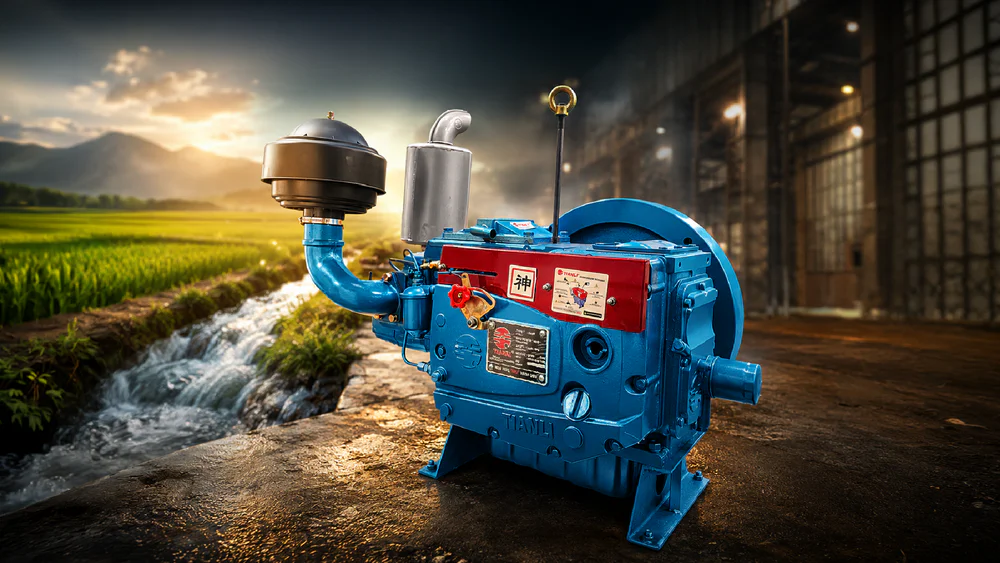
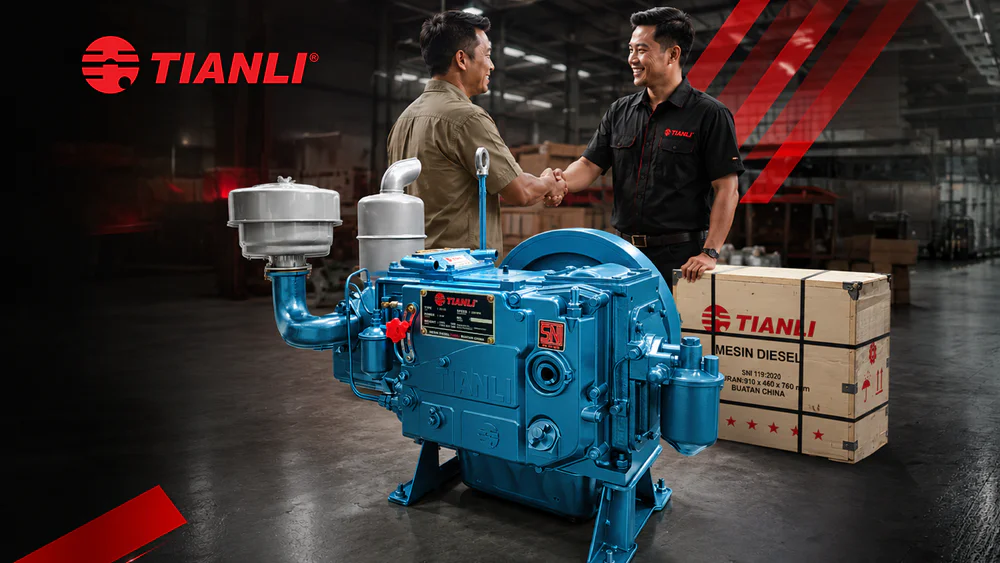
Tianli offers SNI 119:2020-certified diesel engines for various logistics needs, including boat propulsion, industrial generator sets, water pumps, and MSME machinery, supported by a wide distribution and spare parts network across Indonesia.
Diesel engines are the foundation supporting transportation and logistics in Indonesia. Their fuel efficiency, high durability, and strong torque make them hard to replace, and as diesel technology continues to advance, their role in the logistics sector will remain relevant and vital.